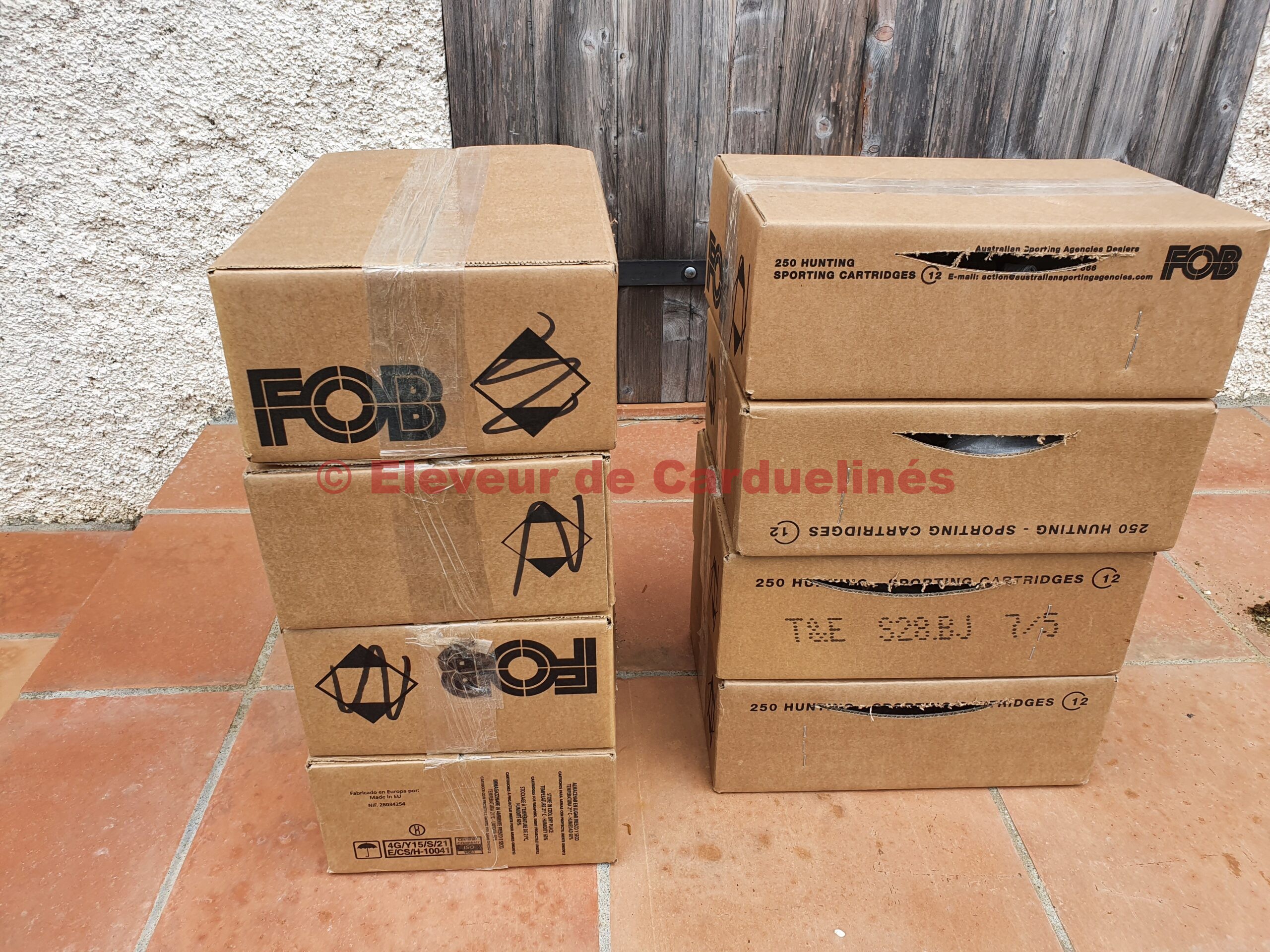
Where can you find good-quality live insects? (Unpacking)
For the rearing of certain species, a diet based on insects is essential. You might say that this isn’t a problem, as commercially available food for insectivores is enriched with 30 per cent, or even 50 per cent, of dried insects. In theory, this is indeed the solution – except when the breeding birds turn their noses up at your feed once their young are born. In this scenario, you’ll notice the parents are extremely active in the aviary, usually on the floor, desperately scouring every square centimetre in search of the food they want to give their offspring. If you do not find a solution quickly, and especially if you do not have any insects to hand, the attempt will fail. You can then try feeding them defrosted pinkies, provided you have already fed them these during the winter and the preparation period, as dead insects are not always accepted by some birds. So what can you do? As for me, I have several solutions: insectivorous feed enriched with dehydrated insects, frozen pinkies that I prepare myself (Regarding frozen pinkies, if you buy them from a shop, be careful to maintain the cold chain. Just as with our own food, defrosted insects must not be refrozen.) and, above all, live insects. If you have the time, go hunting for aphids, moths, spiders… etc. Otherwise, buy live insects from a pet shop.
This is the subject of this report, which came to mind following my own experience with the topic and the setbacks I’ve encountered over the seasons. I feed my birds live buffalo worms and white mealworm larvae (when the worm has moulted before turning into a pupa), supplemented with certain insects I find in the wild. Even before the health crisis, finding good-quality insects was a problem. On several occasions, I’ve received insects that had been kept in appalling conditions during transit, even though they were already in poor condition before dispatch. In situations like this, you realise the problem almost immediately upon opening the parcel. A foul odour wafts from the packaging; large numbers of worms are dead and already turning blackish; and all you can do is sort through them, or even throw the whole lot away…
For the past few seasons, as I’ve been unable to source buffalo worms and mealworms in large quantities locally, I’ve been using a supplier based ……..933 km away.
I have no particular connection with this supplier, but given the quality of their insects, I wanted to share my experience with you.
Les insectes sont envoyés par le transporteur France Express pour une livraison en 24H. Réception des colis
The boxes contain a compartment with a bottle of water to lower the temperature in the event of high heat. I’ve had deliveries on several occasions during the summer and have never encountered the slightest problem. When you open the box, you immediately notice the quality of the insects.
The buffalo worms are contained in very fine, clean mesh bags. In the past, I’ve received insects from another supplier that were crawling around inside the packaging, having escaped from their containers.
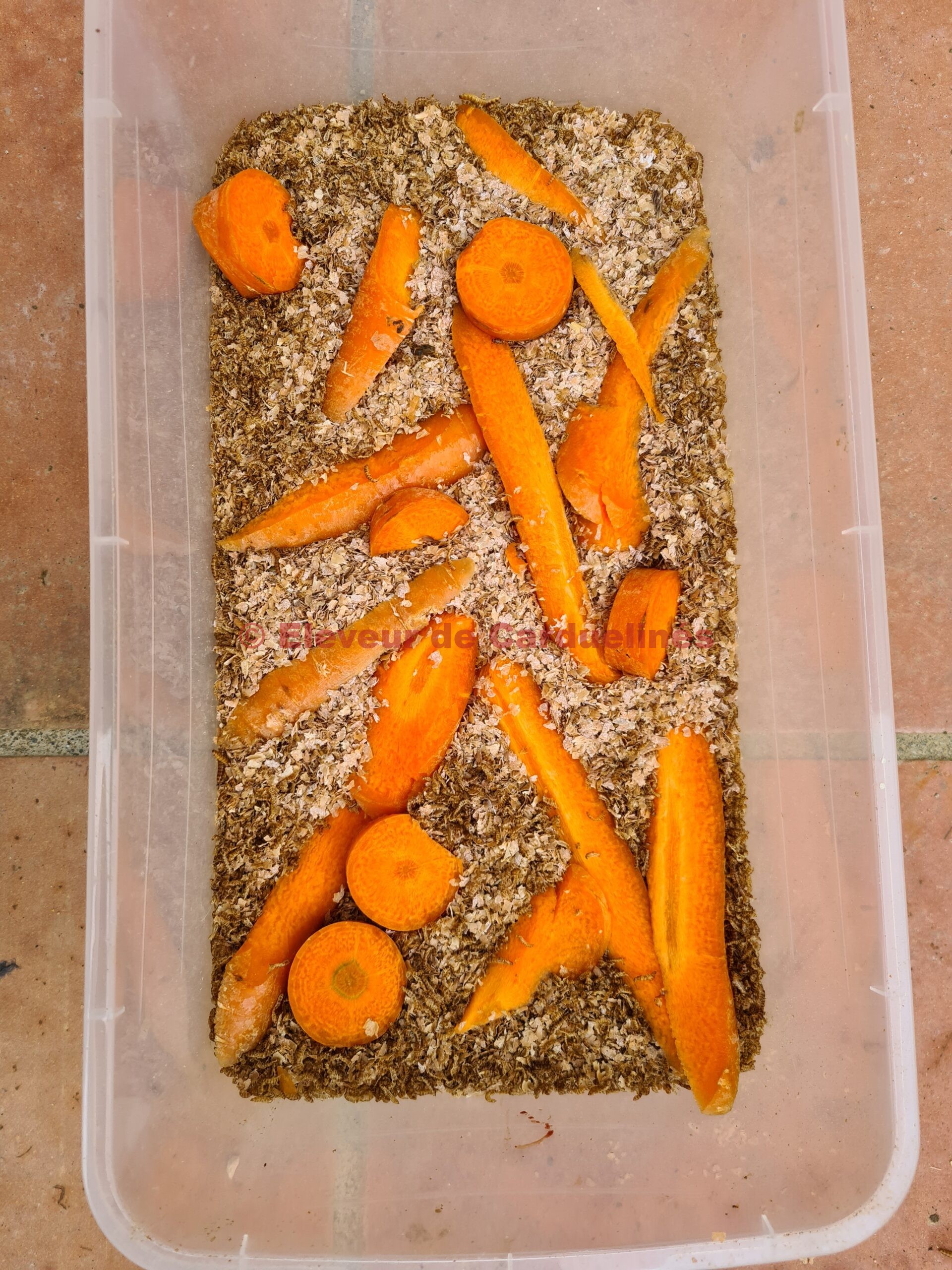
Les vers sont déposés dans des bacs avec du son de blé
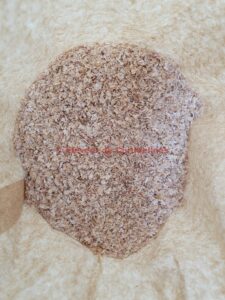
Son de blé
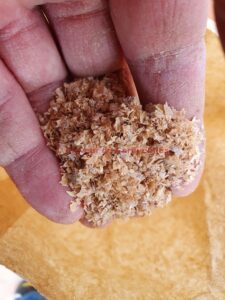
Son de blé
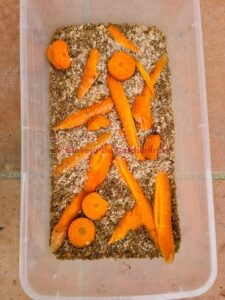
J’ajoute des carottes pour apporter de l’humidité aux vers.
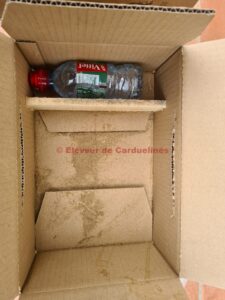
Propreté de l'emballage après déconditionnement
The series of photos and videos demonstrates the quality of the insects.
Mealworms are dispatched under the same conditions. They come with a compartment for a bottle of water and a mesh bag to hold them.
I prioritise supplying moulting grubs.
My supplier’s contact details: http://www.anidif.com

Gallery